The billions are coming in — and the scammers and gunmen are standing in the way
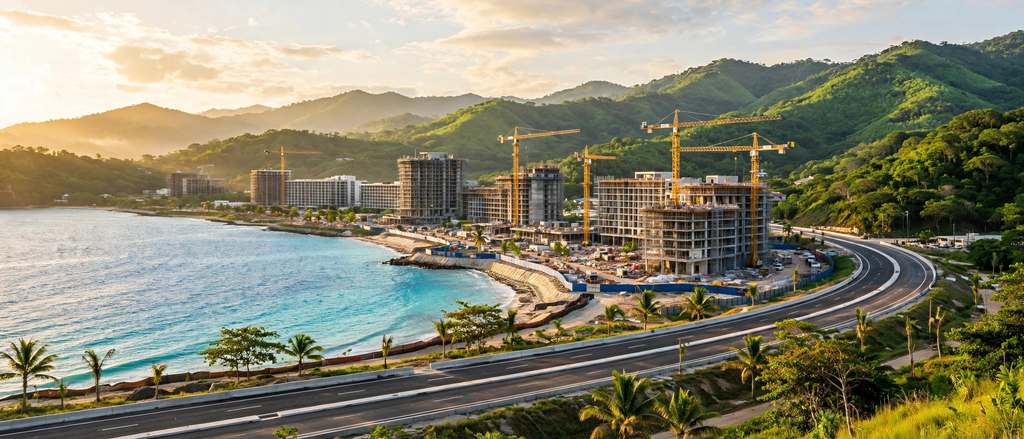
Something is shifting back home, and everyone can feel it. Cranes are going up along the north coast. Murders have fallen to levels nobody under 40 can remember. And the police are killing more people than at any time in the country's modern history. These are not separate stories. They are the same story: Jamaica is trying — under pressure from its own people, from Washington, and from the investors writing the cheques — to drag itself from lawless to law-abiding. This piece is a warning to the men standing in the way, because the country has decided it can't afford them anymore.
The money is coming
Start with the money, because the money is the point. In the financial year ending March 2026, JAMPRO — the government agency that courts foreign investors — facilitated US$4.2 billion in hotel investments alone: 8,943 new rooms and roughly 25,705 projected jobs. Looking ahead five to ten years, the pipeline runs to about US$5 billion and up to 20,000 rooms. The names on the cranes tell the story — Harmony Cove in Trelawny at US$1 billion, Moon Palace's second phase at US$700 million, Grand Palladium's expansion at US$569 million, The Pinnacle in Montego Bay at US$450 million.
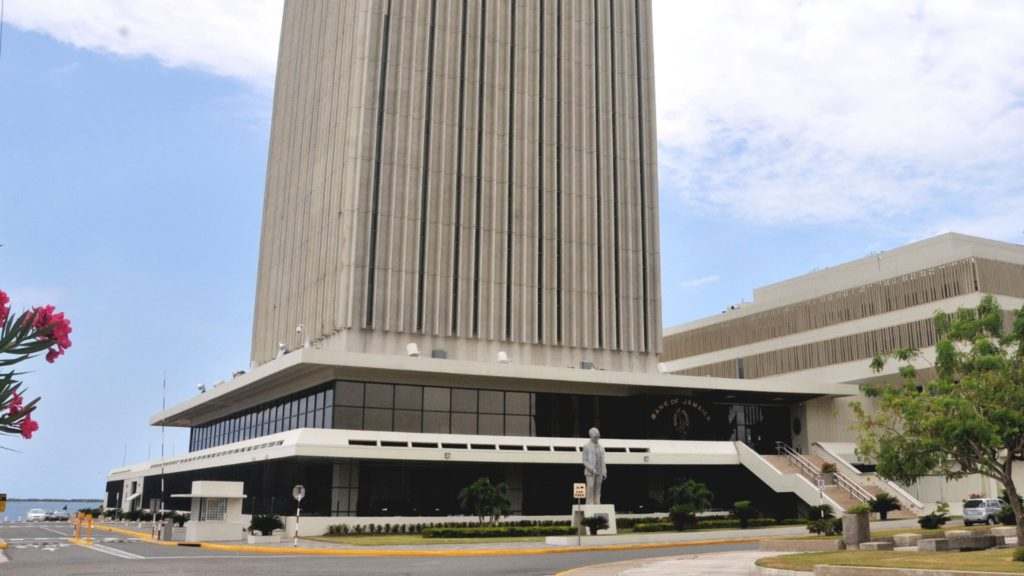
But investors read the fine print, and here is the part that should sober everybody. For all the announcements, the foreign investment that actually arrived in Jamaica has been falling — US$492 million in 2023, down to US$283 million in 2025, according to Bank of Jamaica figures. About a tenth of the announced pipeline is delayed; a Marriott promised for Trelawny in 2022 still isn't built. The billions are pledged, not delivered. And pledged money watches the news. Every headline about a scam or a shooting is a reason for a boardroom in Madrid or Toronto to put its Jamaica cheque back in the drawer.
Built for buyers overseas
Drive the coast road from Montego Bay through Ironshore, Rose Hall and Reading and you'll see who the new Jamaica is being priced for. The branded residences and luxury towers going up are marketed first to international and diaspora buyers — people earning in dollars, pounds and Canadian currency — and overseas presales help finance the construction itself. Land values along those corridors are climbing fast, and ordinary Jamaicans working Jamaican wages are being priced out of their own shoreline. Housing for the local middle market near Montego Bay is squeezed in the middle.
Those of us in the diaspora sit on both sides of this. We are the buyers these projects want — and our cousins back home are the ones watching the fence go up. Either way, the transformation only works if the country underneath it is stable, lawful and safe. Nobody presells a US$450 million tower in a war zone.
The scammer tax
Now the first group standing in the way. Lottery scamming has bled elderly Americans for years — at its peak, US officials estimated the take at around US$300 million a year, with the AARP counting some 30,000 scam calls a day pouring into the United States. Behind those numbers are people like the Washington woman who lost US$600,000 and her home.
Washington has stopped treating this as background noise. The cases are landing: Troy Murray sold the personal data of more than seven million elderly Americans to scammers between 2016 and 2023 — victims lost over US$9.5 million, and he pocketed $5.2 million. This month, Sefton "Powa" Stewart of Montego Bay was sentenced in the US after taking US$3.4 million from 28 victims. A joint task force — JOLT, the Jamaica Operations Linked to Telemarketing group — has charged 23 key players locally in two years and sent five more north on extradition flights.
Every one of those cases does double damage: it empties a grandmother's savings in Ohio, and it stamps the word "Jamaica" next to the word "fraud" in the American mind — the same America whose tourists, investors and returning residents the new economy depends on.
The jobs scamming is killing
The second bill comes due at home. Jamaica's call-centre and global-services sector employs 40,000 to 50,000 people — real wages, real families. The Global Services Association of Jamaica says scamming has already cost the sector more than J$6 billion, cost the Government up to J$900 million a year in revenue, and contributed directly to the dismissal of almost 2,000 BPO workers.
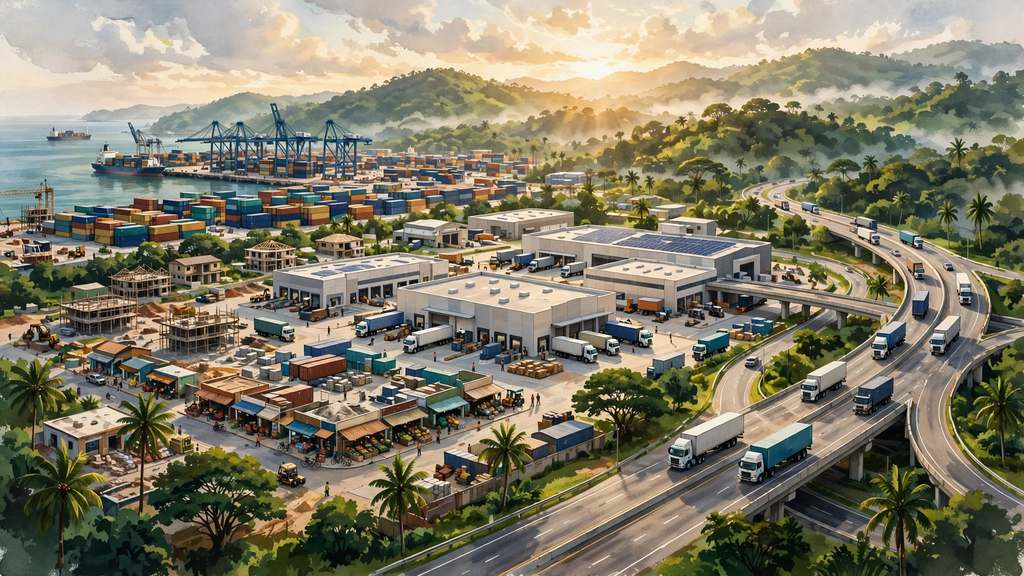
The mechanism is ugly. BPO work gives employees two things scammers crave: access to sensitive American customer data, and smooth, trained phone voices. So the syndicates recruit inside the industry — and one compromised employee with a cellphone can do more damage than an office full of honest agents. Companies have answered with masked data, locked-down systems and expensive vetting. If Jamaica becomes too costly to secure and too risky to trust, those jobs don't disappear into thin air — they move to India, Latin America or the Philippines. The Government has now formally declared lottery scamming a national security threat to the sector. Read that again. The man running a lead sheet from a bedroom in MoBay is no longer just a thief. In the eyes of his own government, he's a threat to the state — because he's a threat to 50,000 jobs.
"One compromised employee with a cellphone can do more damage than an office full of mediocre customer-service agents." — Jamaica Gleaner
The crackdown, by the numbers
And then there is the violence. Here the numbers describe two curves crossing:
Murders: 1,508 in 2022 → 1,141 in 2024 → 673 in 2025 — the lowest in more than three decades — and down a further 24% so far in 2026.
People killed by the security forces (INDECOM figures): 127 in 2021 → 189 in 2024 → 311 in 2025, the highest ever recorded — and 234 more so far in 2026.
311 people were killed by the security forces in 2025 — the same year murders fell to a 31-year low.
The character of the killing has changed too. Deaths during planned police operations — intelligence-led raids on named targets — rose from 11 in 2021 to 76 in 2024. Police operations overall are up more than 70%, with over 100,000 police-citizen interactions a year; Commissioner Kevin Blake's message to armed men is blunt: raising a firearm against the police will not end well. Prime Minister Andrew Holness, defending the forces in September, added that criminals "posing as innocents" and community "Robin Hoods" will be pursued without relent.
"Raising a firearm against the police will not end well." — Police Commissioner Dr Kevin Blake
Let the other side be stated plainly too, because a law-abiding country polices its police: INDECOM investigates every one of these shootings, has repeatedly flagged operations run without body-worn cameras, and 71 officers have been charged following investigations over the 2024–26 period. The State insists it is not above the law — and is being held to that, case by case. Communities have protested some killings, and those arguments are part of the cleanup too.
But nobody should mistake the direction of travel. The pressure is coming from every side at once: from Washington, which extradites; from investors, who can build anywhere; from businesses, who can move the call centres; and from ordinary Jamaicans, who got a taste of 673 murders instead of 1,500 and are in no mood to hand it back.
The choice
So here is the choice in front of every young man weighing a lead sheet or a gun against a construction site, a hotel uniform or a BPO headset. The old Jamaica — the one the world wrote off as a lawless third-world country — is being dismantled on purpose: by its government, under pressure from its people and its partners, because billions of dollars and tens of thousands of jobs are waiting on the other side of law and order. The scam money and the gun money now come with task forces, extradition flights, intelligence-led raids and numbers that get worse for the lawless every single year.
Jamaica is trying to become a first-world, law-abiding, prosperous economy. That road runs straight through the cleanup — and the cleanup is not slowing down. Get on the right side of it while there's still time to choose.
Sources: JAMPRO investment pipeline reporting, 2026; Bank of Jamaica foreign direct investment data; The Independent Commission of Investigations (INDECOM) — fatal shootings data, 2021–2026; Jamaica Constabulary Force — crime statistics, 2022–2026; Jamaica Gleaner — "When scamming starts costing jobs" (Sept 2026); "2025: The policing year written in blood" (Jan 2026); Global Services Association of Jamaica figures; Jamaica Observer — INDECOM year-to-date figures (Oct 2026); US court and AARP reporting on lottery-scam prosecutions (Murray; Stewart)